

Homeschool Program Series
The Homeschool Program Series is a hands-on, curriculum-supportive experience designed especially for homeschool students, giving them the chance to explore, create, and learn through our collections, exhibits, and out on the Connecticut River. All programs are intended for students ages 6–12, and most are drop-off experiences unless otherwise specified. Parents or guardians are encouraged to explore the Museum or grounds with younger siblings during the program time.
Click here to register for Museum Programs
Click here to register for Boat Programs*
*You can add both Museum and Boat programs to your cart in one transaction! Simply click “Continue Shopping” at checkout to add the second program without checking out twice.
All Homeschool Day programs are 90 minutes
10:00am – 11:30am or 1:00pm – 2:30pm at the Connecticut River Museum
Museum programs are $17 for Museum members and $22 for non-members
Boat programs (RiverQuest & Onrust) are $22 for Museum members and $27 for non-members
New for 2027
We’ve added a new program for learners ages 13–17! River Watchers offers an in-depth look at water quality along the River and will take place on April 15 at 1:00 PM. This is a RiverQuest program, so registration will be listed on the boat programs page.
Thursday, November 12—Valley Shipyard
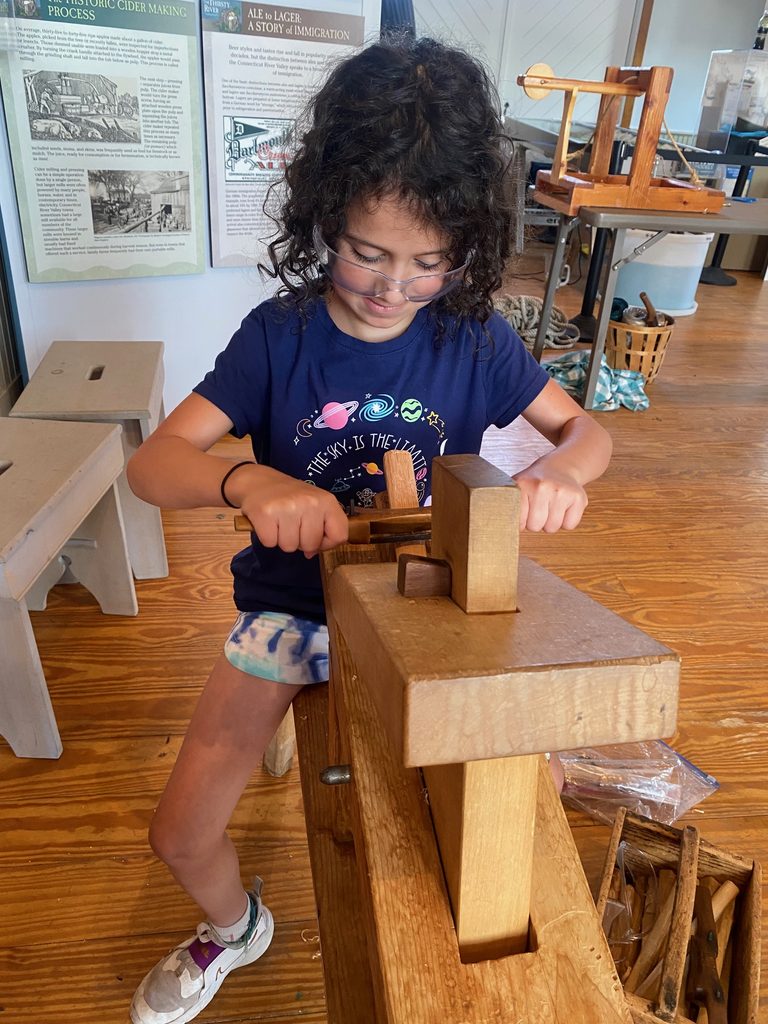
For nearly 300 years, communities along the lower Connecticut River were shaped by shipbuilding and maritime trades. In this hands-on lesson, students step into the roles of traditional shipyard workers as they make rope, carve trunnels, use an auger, and caulk a hull. Along the way, they’ll discover how simple machines, skilled craftsmanship, and teamwork came together to build sailing ships and support life along the River.
Curriculum Connections: Students will explore local history, maritime traditions, and the role of shipbuilding in shaping Connecticut River communities. Hands-on activities will introduce simple machines, traditional tools, craftsmanship, and problem-solving while connecting students to the people and industries of the past.
Thursday, December 10—Simple Machines & Train Show

What makes a steam engine go? Students will explore the simple machines that help power and move trains, then design and build their own simple machine. We’ll visit the Annual Train Show, a fully operational 26-foot train layout, for a special simple-machine scavenger hunt!
Curriculum Connections: Students will explore the science and engineering behind steam engines, investigate simple machines, and apply what they learn by designing and building their own working creation.
Thursday, January 14—River in a Jar
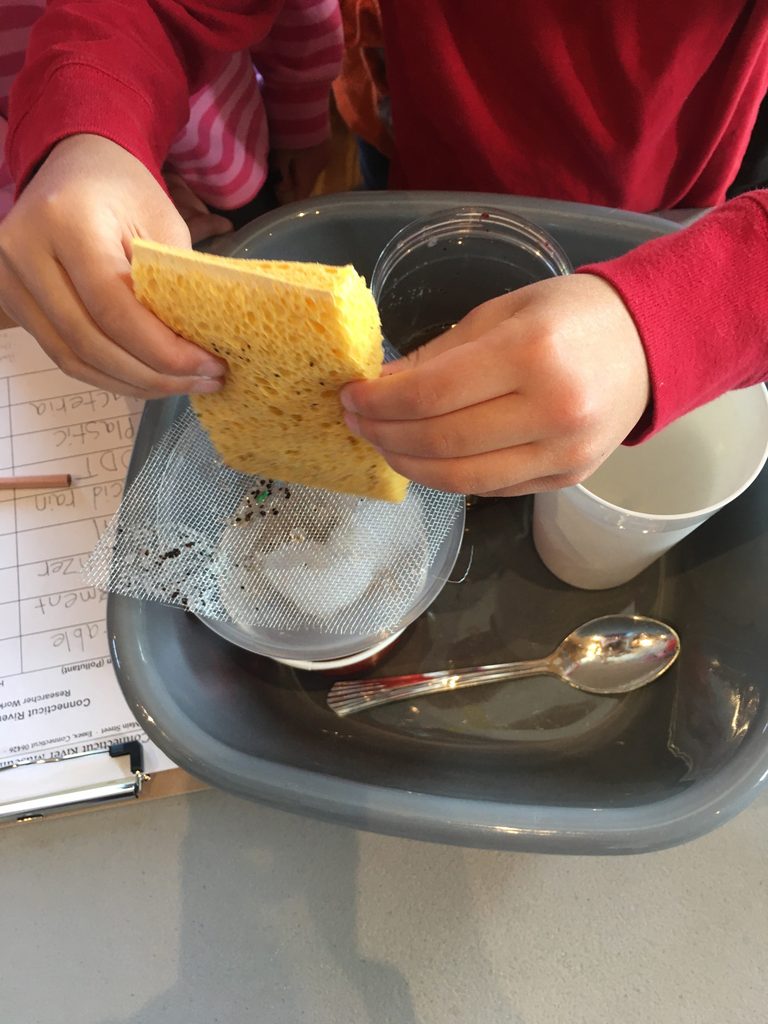
What are the best methods for cleaning up a polluted river? After creating a polluted “river in a jar,” students will use the scientific method to develop and test strategies to clean various types of pollution using provided tools. This program tracks the Connecticut River’s polluted history while demonstrating the importance of water quality and the challenges of protecting our watersheds.
Curriculum Connections: This program connects science, engineering, history, and environmental stewardship as students investigate water pollution, explore the Connecticut River’s history, and design solutions to improve water quality.
Tuesday, March 2 & Thursday, March 4—Eagle Watch

Get out on the Connecticut River during a ride aboard RiverQuest. 90-minute cruise will offer opportunities to observe birds during the breeding season. Search for nests, young eagles, and other raptors that inhabit our Estuary.
Curriculum Connections: A big day for practicing Naturalist skills! Out on the water, students will see firsthand how to observe and understand the importance of the delicate ecosystems along the Connecticut River. They will practice bird identification, nature journaling, and discuss the importance of citizen science.
Thursday, April 15th—Microscopic Life of the River & River Watchers
Morning Lesson (10:00 am): Microscopic Life of the River, ages 6-12
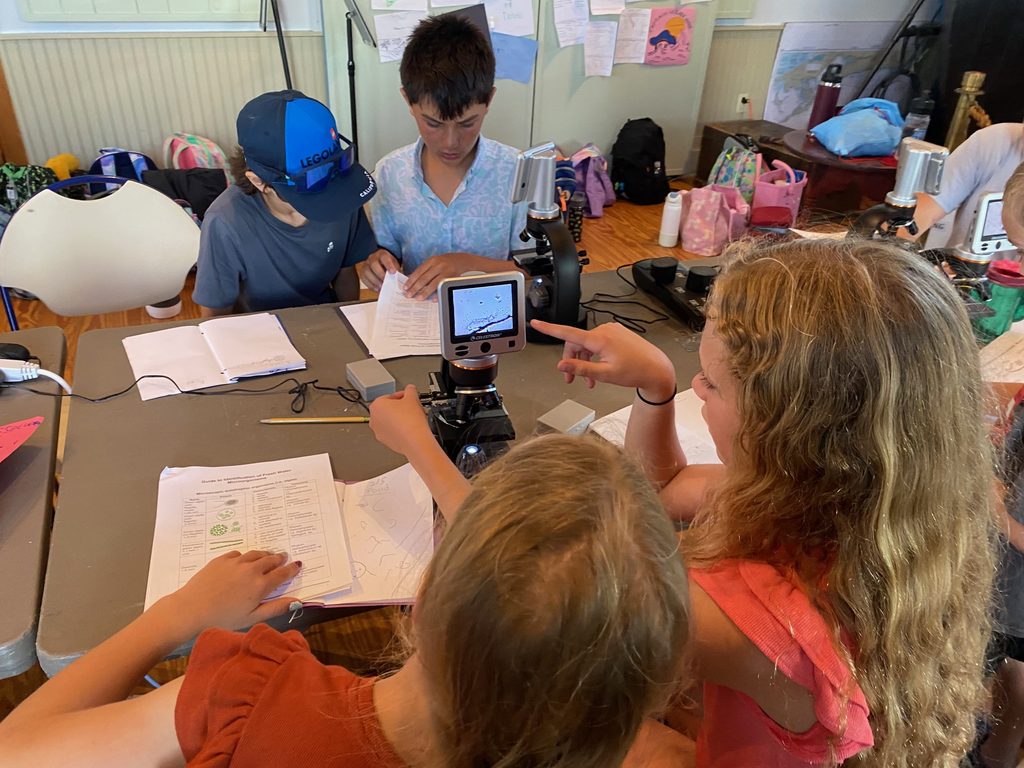
There’s more to the Connecticut River than meets the eye. Beneath the surface, microscopic organisms play a critical role in the River’s ecosystem and form the foundation of its food web. In this hands-on lesson, students will use microscopes to investigate the hidden biodiversity of the River, observing and identifying different types of plankton and other microscopic aquatic organisms. Through close observation, students will explore how these tiny organisms interact with their environment and support life along the River.
Curriculum Connections: Students will use microscopes to explore plankton and other tiny organisms in freshwater and brackish ecosystems. They’ll practice observing, identifying, and thinking about how these organisms fit into the larger food web.
Afternoon Lesson (1:00 pm): River Watchers, ages 13-17 (2-hour RiverQuest program)
Once heavily polluted by industry, the Connecticut River is now a powerful example of environmental recovery. But challenges remain, from runoff and invasive species to habitat loss. The River Watchers program connects learners directly to this living system, giving them the chance to ask questions, collect evidence, and make sense of what they observe.
During this on-the-water lesson, learners will:
- Test water for key indicators of river health, including temperature, pH, dissolved oxygen, turbidity, nitrate, and phosphate.
- Collect, observe, and identify plankton using a trawl
- Observe and record migratory birds and other wildlife.
- Explore how biodiversity contributes to the health of the River.
- Compare their data with USGS water monitoring data to identify patterns and changes over time.
- Explore how human activity has shaped the River by examining evidence of historic pollution, industrial use, cleanup efforts, and current environmental challenges.
- Analyze and communicate their findings to draw conclusions about the overall health of the River.
Curriculum Connections: Students will investigate water quality, biodiversity, and human impacts on river ecosystems. Through hands-on data collection and observation, they’ll build skills in scientific inquiry, data analysis, and environmental stewardship.
Thursday, June 17th—Onrust Voyage
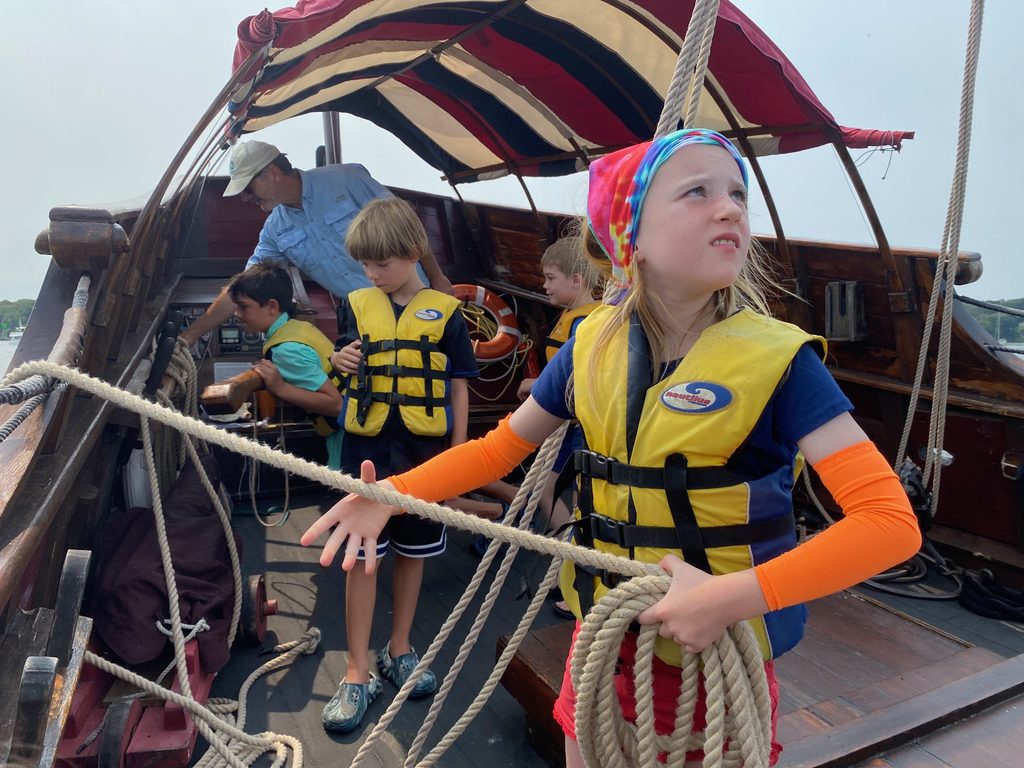
Step aboard and travel in time–all the way back to 1614, when Dutch explorer Adrien Block sailed up the Connecticut River. Learn the ins and outs of historic sailing ships and find your sea legs (or should we say River legs) on the Museum’s replica of the Onrust.
Curriculum Connection: Learners will get hands-on experience with 17th-century Dutch and colonial life aboard the Onrust. Learners will explore the impact of European exploration on the local tribal nations as well as the environmental impact of settler communities.
Program Costs:
Museum Programs: $22.00 per session ($17 for Members)
Boat Programs: $27.00 per session ($22 for Members)
Please remember these are drop-off programs for homeschool learners aged 6-12. Refunds will be given if there is 24-hour notice. There may be lesson cancellations due to the weather, to which your payment will be refunded.
For more information
Contact the Education Department
Phone: 860-767-8269 x121
Email: lbdionne@ctrivermuseum.org
Contact
67 Main Street
Essex, CT 06426
860.767.8269
crm@ctrivermuseum.org
DIRECTIONS
Give
With your help, Connecticut River Museum has the ability to provide fun and educational services and events for our community.
Join our Email List!
©COPYRIGHT | CONNECTICUT RIVER MUSEUM
WEBSITE DESIGN BY DREAMSCAPES